Part of the guide Employee recognition
In this article
Short answer
To reduce employee turnover, first measure when people leave: in the first 90 days, between one and three years, or after many years, and act differently in each case. The fastest fix is a proper welcome. At Lemon Creativo in Santo Domingo, a welcome kit starts at RD$1,081 before tax and takes 2 to 4 days.
Need help planning your next campaign?
Request a quote and get a recommendation aligned to your budget and timeline.
Request quoteWhat is employee turnover, and how do you calculate it?
Employee turnover is the percentage of staff who leave the company in a given period. Divide departures in the period by average headcount and multiply by one hundred. For example, if 6 people left in a year and average headcount was 40, turnover is 15%.
The number on its own says little. What helps is breaking it down, because each piece points to a different problem:
| Metric | How to calculate it | What it tells you |
|---|---|---|
| Total turnover | Departures ÷ average headcount × 100 | How big the problem is |
| Voluntary turnover | Resignations ÷ average headcount × 100 | How many people choose to leave; this is the part you can lower |
| Early exits | Departures within 90 days ÷ hires in the period × 100 | Whether the problem is hiring or how you welcome people |
| Exits by tenure | Departures grouped: under 1 year, 1–3, 3–5, over 5 | Which stage loses the most people |
When do people leave, and what should you do at each stage?
Each stage has a different reason behind it and calls for a different action. This table pairs the four moments with what to do and, where it applies, the item that goes with it (reference price per unit, before ITBIS, the Dominican sales tax, as of October 2026):
| Moment | What usually weighs | What to do | Item that goes with it |
|---|---|---|---|
| First 90 days | The job wasn't what was described, or the person never felt part of the team | A ready workstation on day one, a buddy, and check-ins at 30, 60 and 90 days | Welcome kit with pouch, notebook and sports bottle, RD$1,081 |
| First work anniversary | A sense that nobody noticed the year | A growth conversation and a gift with their name on the date | Cork-base mug with lid and their name, RD$513 |
| Years 1 to 3 | The next step isn't visible | A career path you talk through, training and new responsibilities | None: here the conversation retains people, not an object |
| 5 years or more | Tenure stopped meaning anything | Formal years-of-service recognition in front of the team | Round crystal plaque, RD$1,316 |
Leaving in the first 90 days is the most expensive exit: recruiting and training costs are never recovered. That's why it pays to start there.
How do you welcome a new hire so they stay?
Make day one tell the person they were expected. A checklist that works:
- Before they arrive: workstation, equipment and system access ready, and their name spelled correctly on everything they'll receive.
- Day one: someone meets them at the door, introduces the team and takes them to lunch. On the desk, a kit with a card signed by their manager.
- The first week: a buddy who isn't their boss, for the questions people are shy to ask.
- At 30, 60 and 90 days: a short conversation about what they expected and what they found. That's where problems surface early, before they turn into a resignation.
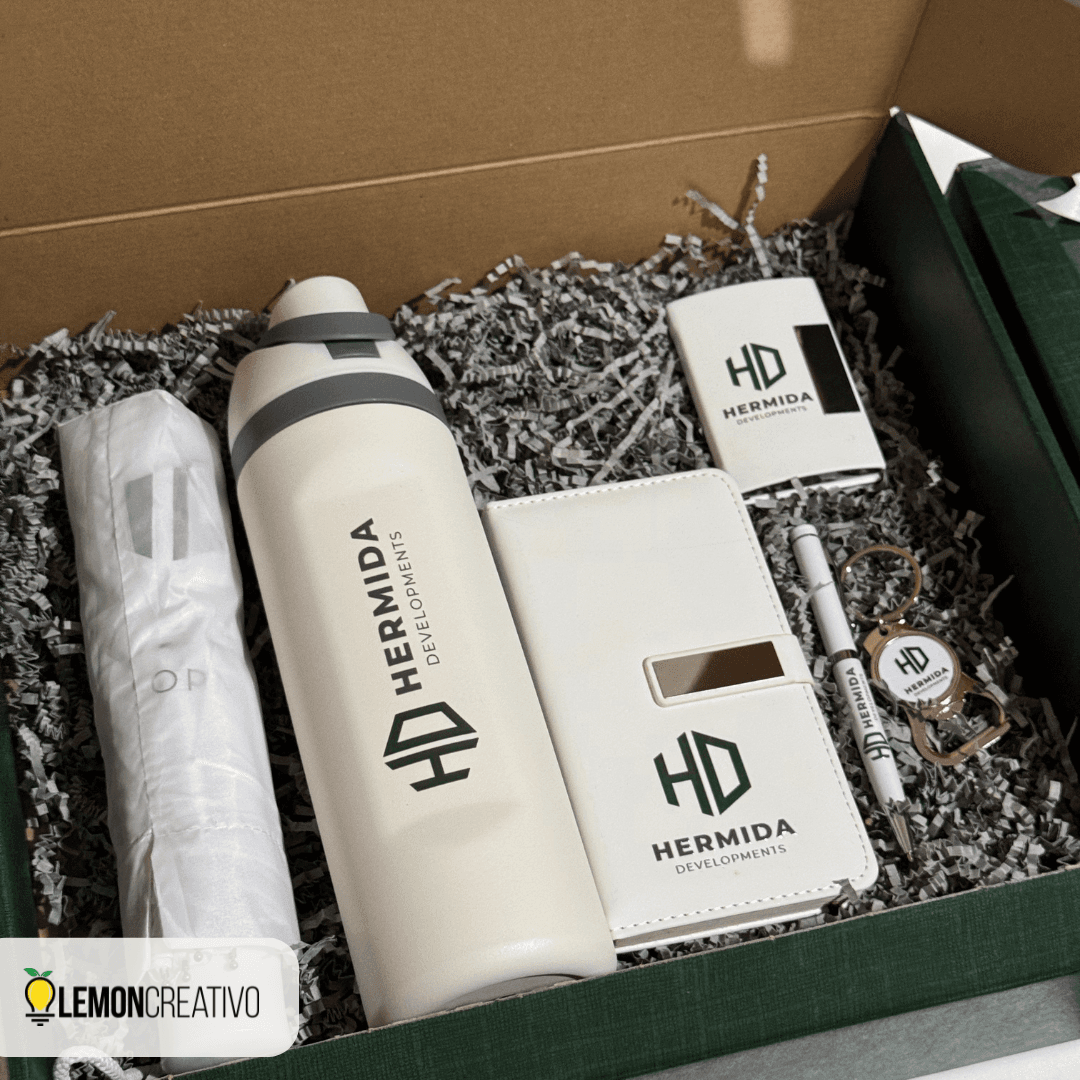
The kit has to be there on day one; if it shows up in week two, it misses the point. These are real catalog kits, all with 2 to 4 days of production from artwork approval, per the product page:
| Kit | What's inside | Price per person |
|---|---|---|
| Personalized welcome kit | Polypropylene envelope pouch, eco notebook and 650 ml sports bottle | RD$1,081 |
| Personalized corporate welcome kit | A5 faux-leather notebook with elastic band, pen and 600 ml keychain bottle, boxed | RD$1,730 |
| New employee welcome kit | Bamboo notebook with pen and 600 ml insulated tumbler, boxed | RD$2,934 |
| Welcome Excellence Box | Mug with colored interior, bamboo notebook with pen and 16 oz bottle, boxed | RD$3,029 |
If you hire continuously, don't order a kit every time: with an annual gift plan, artwork is approved once and kits go out all year, alongside birthdays and anniversaries. To build a kit piece by piece, read what to include in a welcome kit, and for people working from home, how to welcome a remote hire with a kit. All the options are in our onboarding and welcome kits.
How should you recognize years of service?
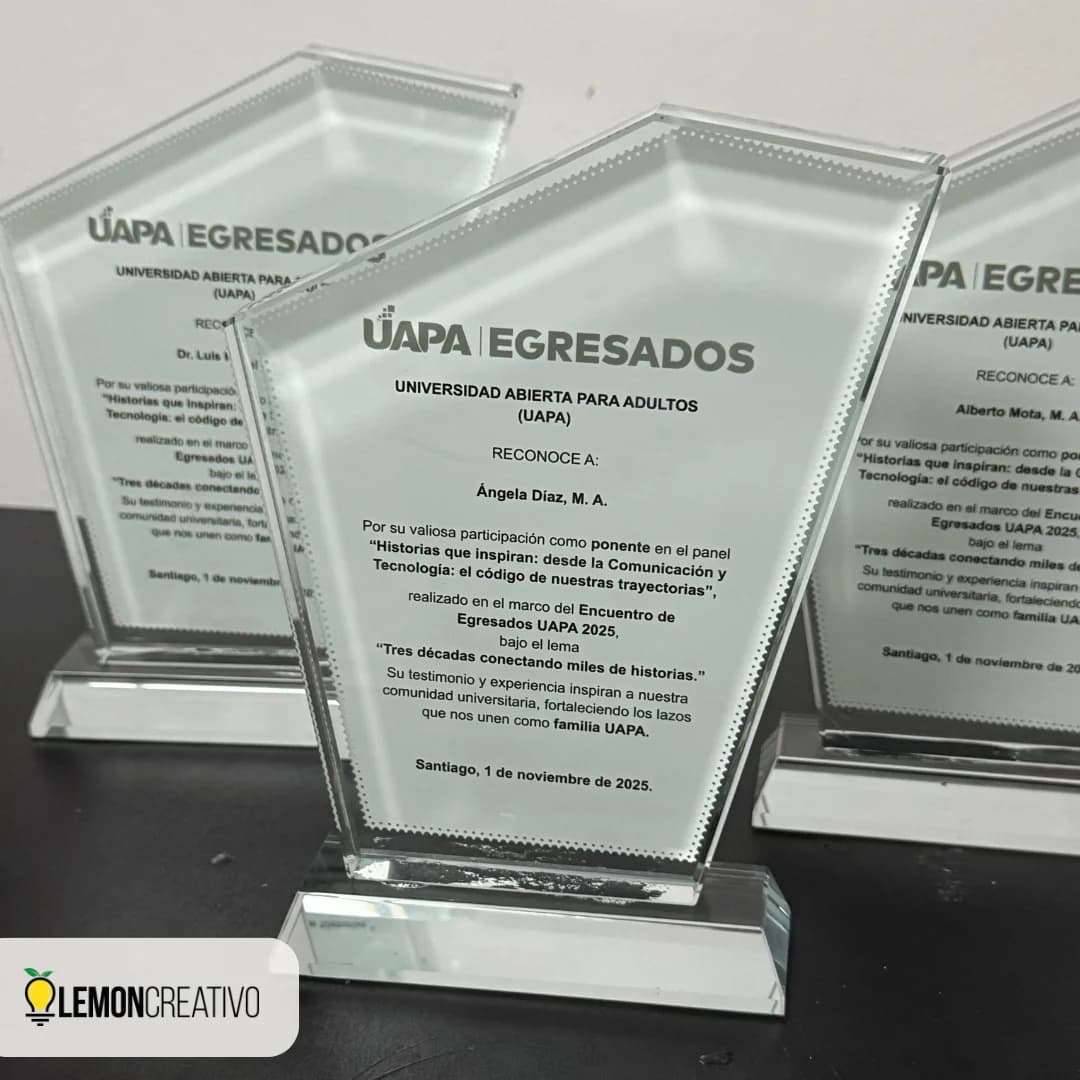
In public, on the date, with the number of years in writing. A plaque handed over in front of the team tells the person their track record is seen, and tells everyone else that staying counts. In our operation, plaques are almost always ordered one at a time (the median is one per order), because each is made for a specific person with their name. They take 5 to 7 days from text approval.
To order one, you need the exact name, title, years and a short line. How long a plaque takes and what to send has the details. For the anniversaries that matter most, the company anniversary gift kit is RD$5,295.
The exit interview is your best data
Always hold one, with someone other than the direct manager, and log the reason against a closed list (pay, manager, schedule, growth, commute, other). Within six months you'll have the pattern of why your people leave, based on data rather than assumptions. Cross that pattern with the stage table: if most people leave within 90 days saying "it wasn't what I expected," the problem is the job description, not the salary.
How we handle it at Lemon
We take care of the physical side of welcoming and recognizing people: day-one kits, named mugs for first anniversaries and years-of-service plaques. You tell us how many hires you expect each month, which anniversaries are coming up and where each item goes. Within 24–48 hours you get the proposal with a mockup and a line-item price; you approve the artwork once, with the names, and every kit, mug or plaque goes out checked on its date, to the office, the branch or the person's home.
Mistakes we see often: misspelled names (ask for each name the way the person writes it, accents included), a kit that arrives after day one, and forgetting someone on their anniversary. So that no anniversary depends on someone remembering, the employee recognition program adds points on its own on each key date, and the person trades them for a real gift; it costs nothing beyond what is redeemed.
Related guides
- Corporate gift ideas for employees by occasion and budget (the full guide on this topic)
- How to improve workplace climate with small actions
- Emotional salary and work incentives: examples that work in the DR
Request a quote with the hires you expect, the dates and the delivery location: we reply within 24–48 hours with the mockup and a line-item price.
Frequently asked questions
How do you calculate the employee turnover rate?
Divide departures in the period by the average headcount for the same period and multiply by one hundred. For example, 6 departures in a year with an average headcount of 40 gives 15%. Calculate it separately for voluntary and involuntary exits, and for people who leave within 90 days.
What turnover rate is normal?
It depends heavily on the industry and the type of role, and no single number fits every company. The most useful comparison is your own figure against last year's and by tenure: if exits within the first 90 days go up, the problem is how you welcome people.
What should happen in the first 90 days so a new hire stays?
Have the workstation and system access ready on day one, assign a buddy, hand over a kit with a card from their manager, and check in at 30, 60 and 90 days about what they expected and what they found.
How much does a new employee welcome kit cost?
Using catalog prices before tax as of October 2026: from RD$1,081 for a kit with an envelope pouch, notebook and sports bottle; RD$1,730 with a notebook, pen and keychain bottle; and RD$2,934 with a bamboo notebook and insulated tumbler. They take 2 to 4 days from artwork approval, per the product page.

Director of Lemon Creativo, a Dominican company that handles corporate gifts, business kits, and promotional products end to end: selection, branding, packaging, and delivery across the country.
Keep exploring
Connect this article with solution pages and products ready for your next campaign.